
Lateral Ankle Stabilization
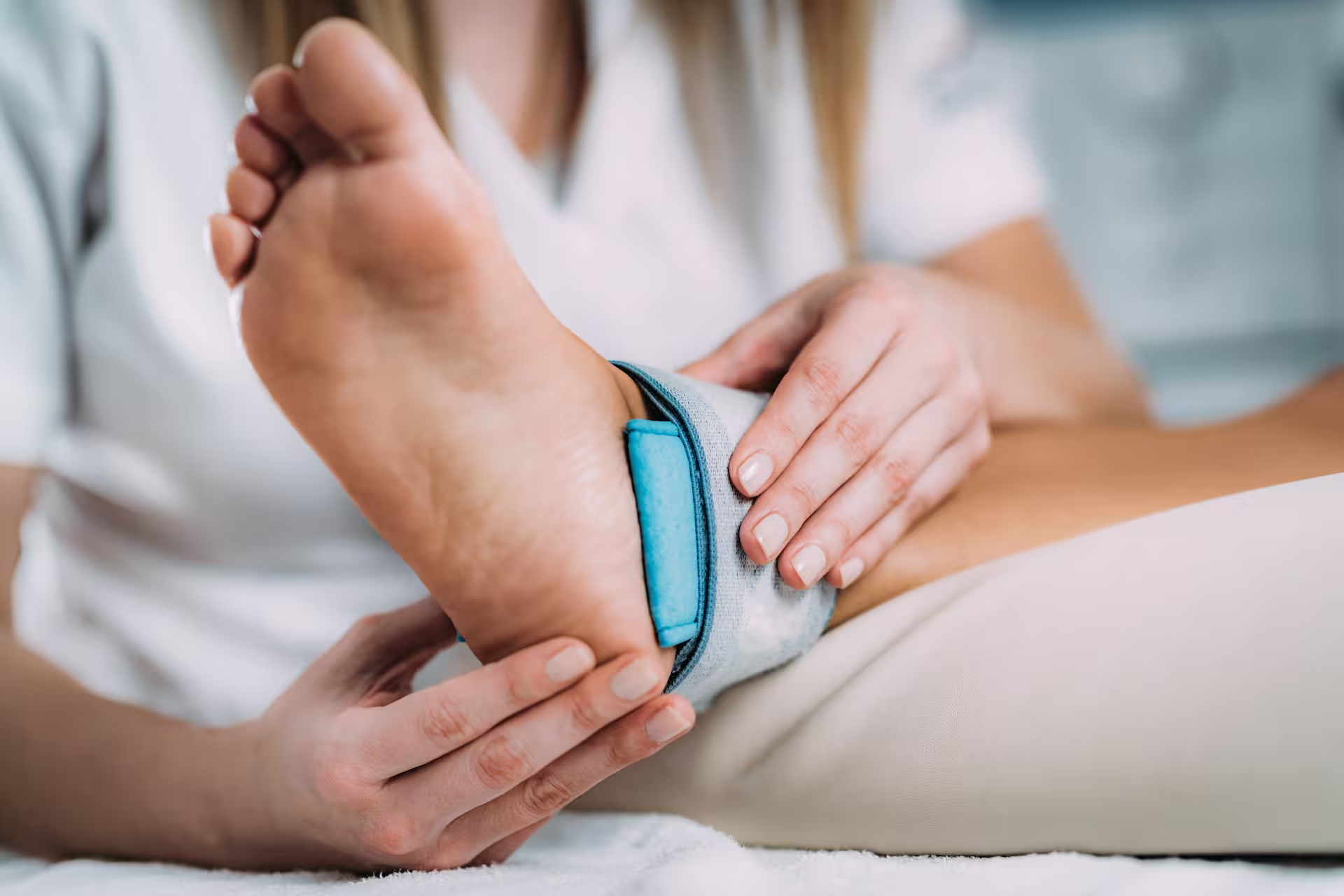
Lateral ankle stabilization (Broström/Broström-Gould repair) restores stability by repairing and tightening the ligaments on the outside of the ankle. Performed by fellowship-trained foot and ankle surgeon Dr. Jordan Crafton, this procedure addresses chronic ankle instability before it leads to cartilage damage, bone spurs, or progressive arthritis. Early diagnosis and treatment protect long-term function and help patients return to an active lifestyle.
Overview of Chronic Ankle Instability
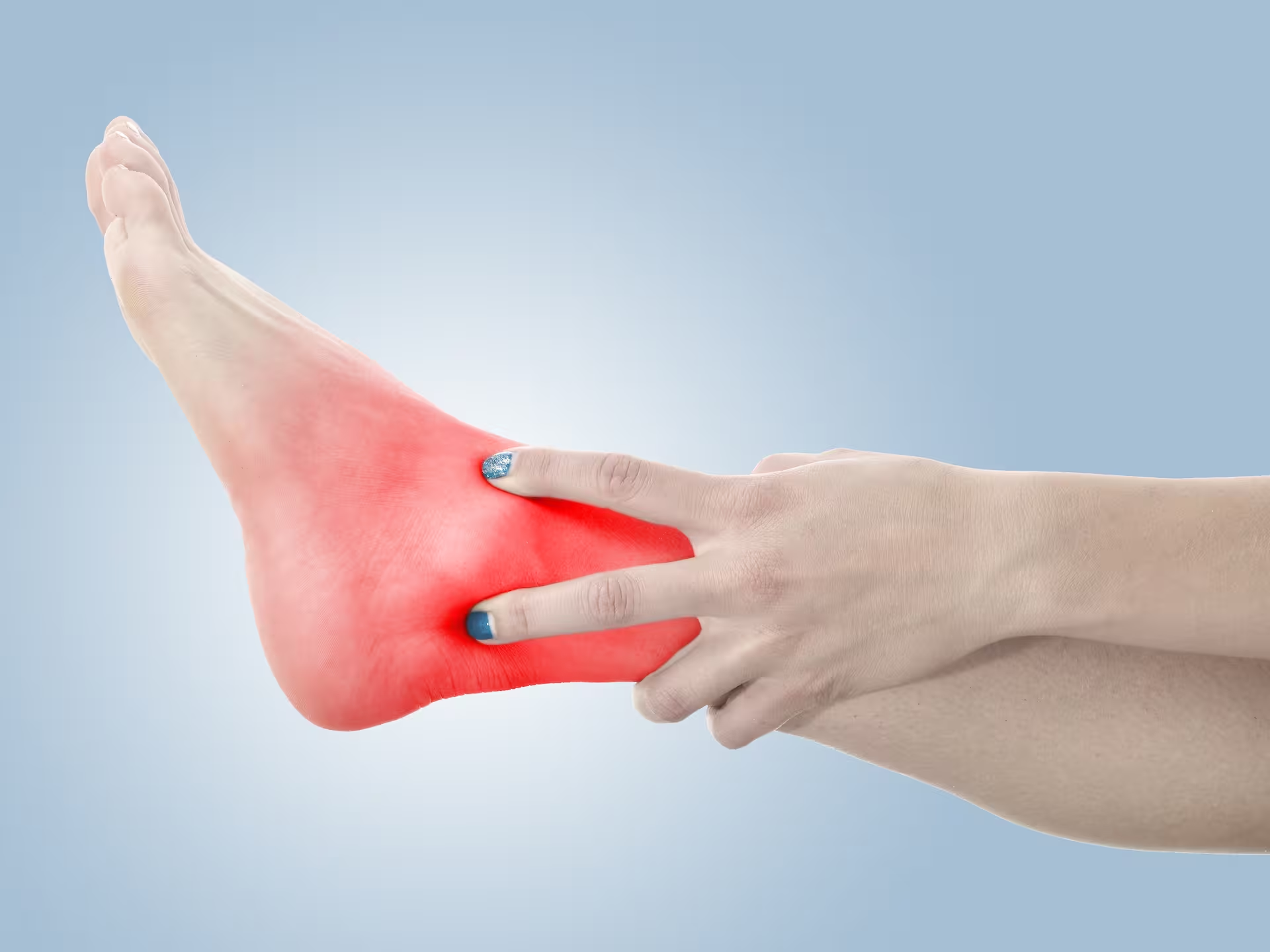
Chronic ankle sprains are more than “just a sprain.” When pain, swelling, or a sense of the ankle “giving way” lasts longer than two to three months, the ligaments on the outside of the ankle are often overstretched or torn. This condition is known as chronic lateral ankle instability.
If left untreated, chronic instability can lead to:
- Recurrent sprains
- Cartilage damage inside the ankle
- Loose bodies or small cartilage fragments
- Bone spurs
- Progressive ankle arthritis
Why Early Treatment Matters
Over time, these problems can become significant enough to require major surgeries such as total ankle replacement — a procedure far more involved and higher risk than stabilizing the ankle early.
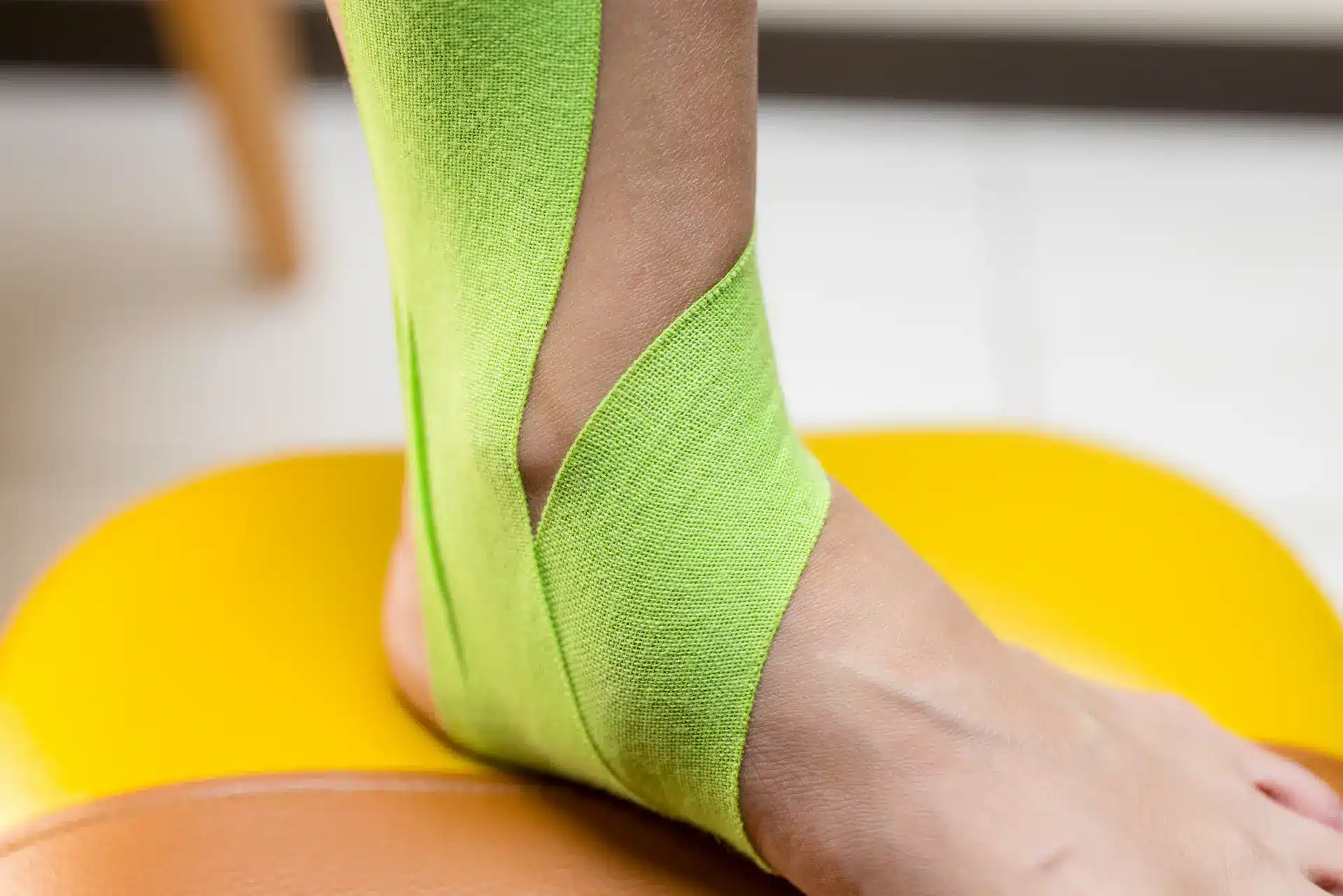
A chronically unstable ankle continues to injure itself with every twist or misstep. Repeated micro-trauma worsens cartilage damage, increases scar tissue, and accelerates joint deterioration.
Repairing the ankle before arthritis sets in protects long-term function and helps patients maintain an active lifestyle.

What Is Lateral Ankle Stabilization?
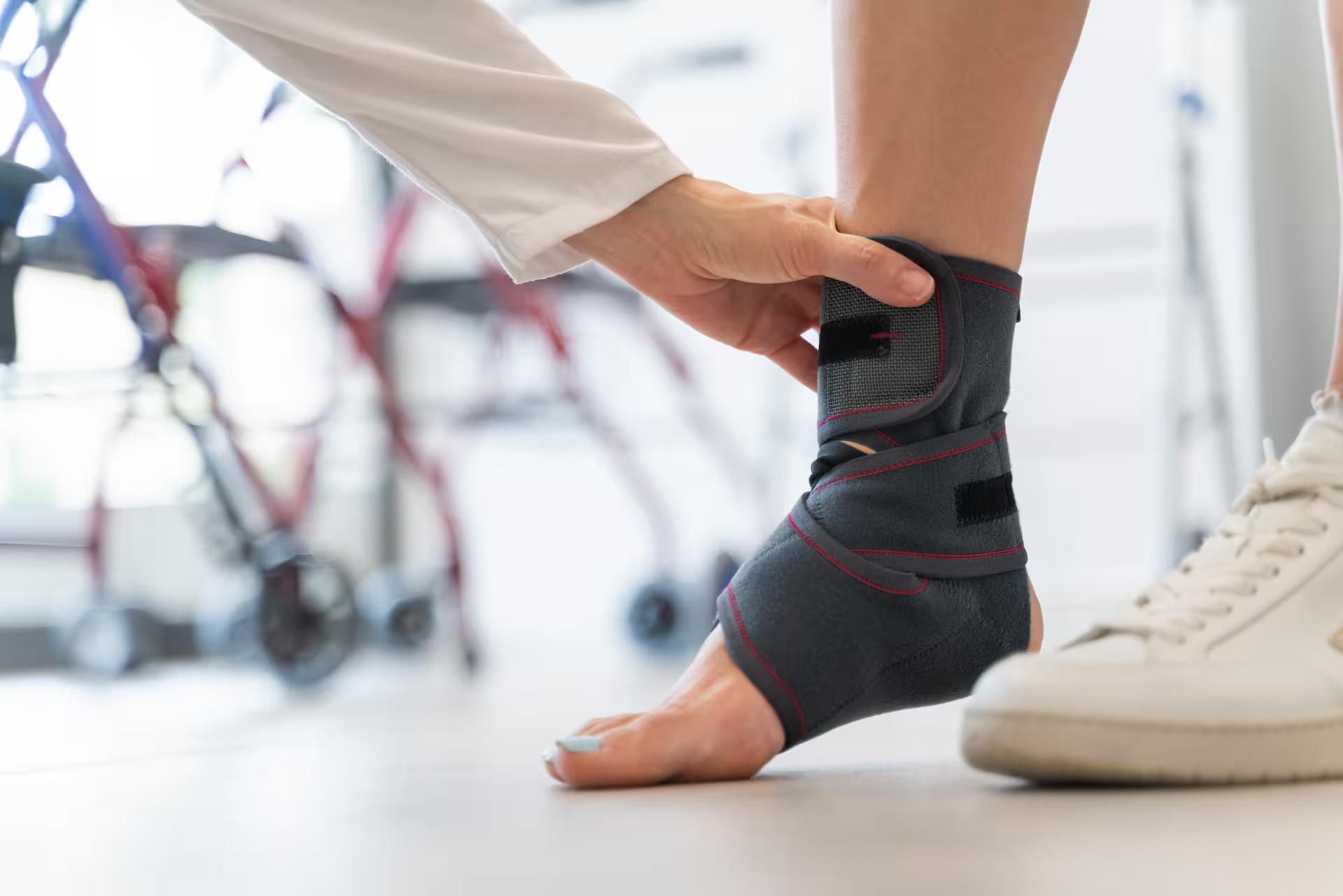
Lateral ankle stabilization (often called a Broström or Broström-Gould repair) restores stability by repairing and tightening the ligaments on the outside of the ankle.
Dr. Crafton performs a precise anatomical repair, often enhanced with an internal brace, a strong suture-tape construct that:
- Immediately reinforces the repaired ligaments
- Protects the ankle as the ligaments heal
- Reduces the risk of future sprains
- Allows a more confident return to activity
Imaging and Evaluation Before Surgery
To fully understand the source of your instability and pain, Dr. Crafton performs advanced imaging consisting of:
- X-rays – always obtained to evaluate bone structure and joint alignment.
- MRI – crucial for detecting ligament tears, cartilage defects, tendon injuries, and inflammation.
- CT scan – used when detailed bone anatomy or surgical planning requires more precision.
Arthroscopy Performed with Every Stabilization
What is ankle arthroscopy?
Ankle arthroscopy involves placing a small camera inside the ankle joint through tiny incisions. Dr. Crafton uses this minimally invasive technique to:
- Clean out scar tissue
- Identify and repair cartilage damage
- Treat ligament injuries that may not appear clearly on MRI
- Address loose cartilage fragments or defects
- Ensure no hidden injuries are missed during stabilization
Arthroscopy greatly enhances the accuracy and completeness of the procedure.
This approach gives patients the best long-term outcome and reduces the chances of developing arthritis later.
Recovery Timeline
0–2 Weeks
- Non-weightbearing in a splint or cast
- Elevation and swelling control
2–6 Weeks
- Transition to a walking boot
- Physical therapy begins at 2 weeks
- Progressive weightbearing in the boot
6–10 Weeks
- Strength, balance, and gait training
- Gradual transition out of the boot
10–12 Weeks
- Return to full activity or sports as strength and stability allow
Risks of Untreated Instability
If chronic instability is not addressed, it can lead to:
- Ongoing pain
- Recurrent sprains
- Cartilage loss
- Bone spurs
- Early ankle arthritis
- Increased likelihood of needing total ankle replacement later in life — this is a major surgery that is more risky.
Dr. Crafton’s Surgical Approach
A Combination of Advanced Imaging, Precise Surgical Techniques, and Consistent Attentive Care:
Expert Personalized Evaluation
Every patient undergoes a tailored assessment to identify all causes of instability and pain.
Precise Surgical Technique
The Broström or Broström-Gould procedure is performed with meticulous restoration of normal ligament anatomy.
Advanced Implant Technology
An internal brace is used when appropriate to strengthen the repair and support long-term success.
Consistent Attentive Care
Rehabilitation and follow-up are customized to each patient to ensure a safe and successful return to activity.
Dr. Crafton’s Goal is Simple:
“
To restore stability, eliminate pain, and help you return to the lifestyle and activities you enjoy.
Schedule a Consultation
If chronic ankle pain is affecting your mobility or quality of life, you may be a candidate for Total Ankle Replacement.
Contact our office today to schedule a personalized evaluation and explore your options for long-lasting relief.
FAQ's
What is lateral ankle stabilization?
What is ankle arthroscopy?
What are the risks of untreated ankle instability?
Is your ankle still hurting after a sprain?
How long is recovery after lateral ankle stabilization?
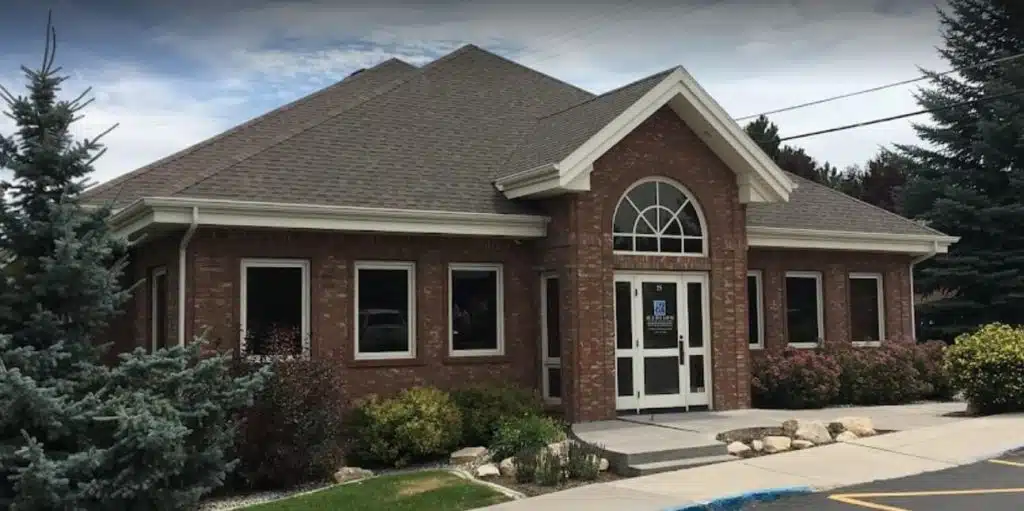
Lateral Ankle Stabilization Locations
Meet Our Lateral Ankle Stabilization Providers
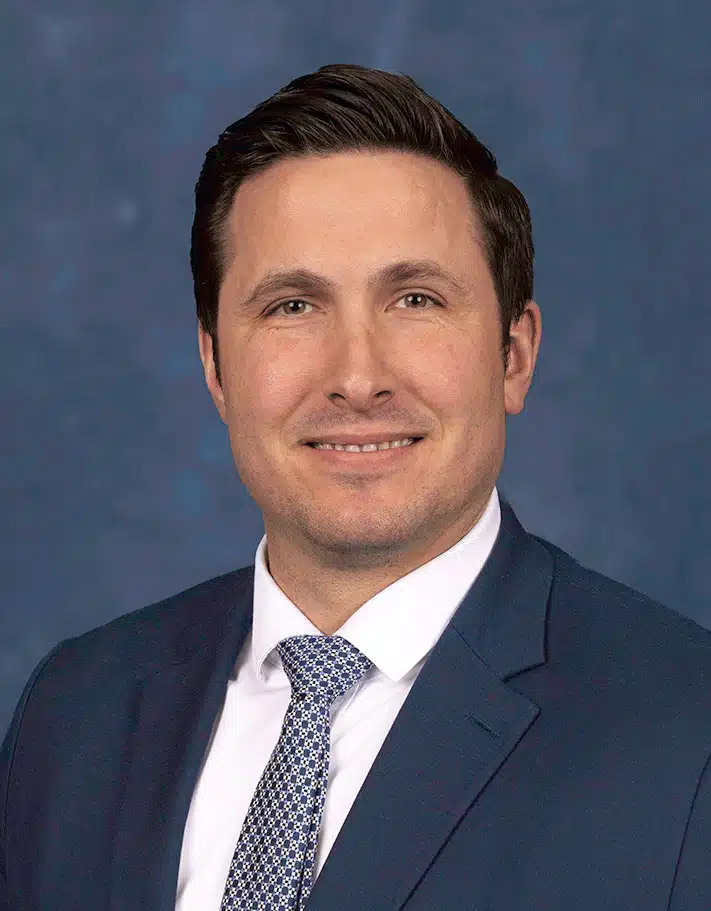
Showing the single result